Listen, I’ve been working in this office long enough to know that the moment you see a roach scurry across your floor, your heart drops. But before you panic and reach for a can of heavy-duty aerosol, let’s get one thing clear: spraying chemicals is like putting a bandage on a broken leg if you don't find the source. My first question to every single client who calls into Petrin's Pest Control is always: "Where is the water coming from?"
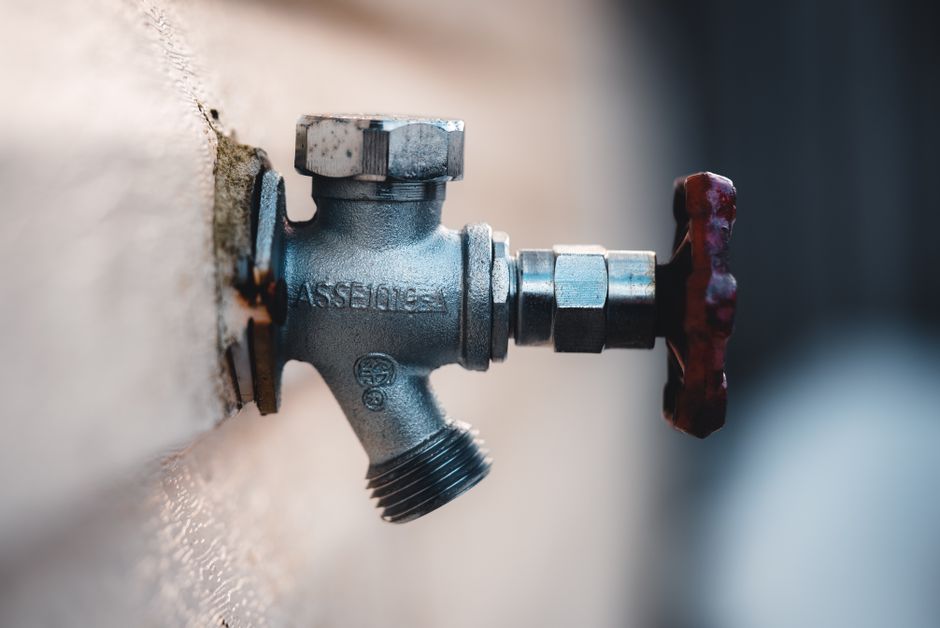
Roaches don't just "show up." They are master hitchhikers and professional hydrators. In Southeastern Connecticut, our humid summers and damp basements create the perfect environment for German and American roaches. If you’re worried about an infestation, don't waste time on vague advice like "just keep it clean." Let’s look at the actual anatomy of your home.
The New England "Big Three" Locations
When I’m out in the field, I keep a mental map of the top five hiding spots behind appliances. If you suspect an issue, stop guessing and start checking these three zones.
1. Kitchen Roach Hotspots
The kitchen is the roach’s version of an all-you-can-eat buffet. It’s not just about crumbs; it’s about the moisture behind the fridge coils and the heat from the motor.
- Behind the Fridge: The compressor is warm, and condensation provides water. It’s the #1 spot. Under the Sink: Check the area where the pipes penetrate the wall. If there’s a gap around the pipe, that’s your entry point. Pantry Shelves: Listen to me—if you have open cereal bags, you are asking for trouble. I am obsessed with labeling pantry containers with airtight seals. If it isn't in a plastic or glass jar, the roaches can smell it.
2. Bathroom Roach Hotspots
If the kitchen is the buffet, the bathroom is the water park. Roaches thrive in humidity. Check behind the vanity, under the cabinet where the P-trap is, and around the base of the toilet. If you have a leaky faucet or a dripping showerhead, you’ve basically built a roach oasis.
3. Basement Roach Check
In New England, our basements are usually damp, dark, and filled with cardboard boxes—the perfect roach nesting ground. When I’m doing an inspection, I ignore the "cleanliness" of the floor and look straight at the foundation cracks and floor drains. If your basement has a sump pump, check the rim. That’s a common highway for American roaches moving from the sewer into your living space.
How Are They Getting Inside?
I get tired of hearing people say their house is "dirty." You can have a sterile home and still get roaches because they are opportunists. Here is how they infiltrate:
The Hitchhikers: They ride in on grocery bags, Amazon boxes, or second-hand furniture. Always inspect cardboard before bringing it inside. The Plumbing Path: Roaches follow the moisture. Gaps around pipes under your sink are the "front door" for these pests. Foundation Gaps: If you can slide a credit card through a crack in your exterior wall, a roach can squeeze through.Early Warning Signs: What to Look For
You don’t always see the roach itself, but you will see what they leave behind. Keep your eyes peeled for these red flags:
Sign What it looks like Where to check Droppings Looks like black pepper or coffee grounds Drawer corners, hinges, behind fridge Smear Marks Brown, dark "stains" Walls near cracks or pipes Shed Skins Transparent, papery casings Inside cabinets, behind appliances Odor Musty, oily, "stale" smell Enclosed spaces, dark cupboardsHealth Risks and Indoor Air Quality
This isn't just about the "ick" factor. The NPMA (National Pest Management Association) has documented that roaches are a major contributor to indoor asthma triggers, especially in children. Their droppings and shed skins turn into dust that circulates in your HVAC system. When I tell a homeowner that one spray isn't going to fix a colony, it’s because I care about the air your family is breathing. Integrated Pest Management (IPM) is the only way forward.

Why Communication Matters
At Petrin's Pest Control, we know that waiting for a callback is stressful. That’s why we’ve integrated live chat and SMS powered by Avochato. You don’t need to wait until business hours to report a sighting. You can text us a photo, and our team can start the identification process immediately. We hate the "wait-and-see" approach as much as you do.
Transparency is key. We don't overpromise that a single visit will wipe out a massive colony in an apartment building. It takes a partnership. When you look at our Google review presence, you’ll see our clients appreciate that we don't just sell a spray—we explain *why* the roaches are there and how to seal them https://petrinspest.com/pests/cockroaches/ out for good.
Final Advice from the Office
Stop blaming your housekeeping and start looking at your plumbing. If you see signs of an infestation, take a picture, send it to us via Avochato, and start sealing those gaps around your pipes. And please—do yourself a favor—go buy some airtight bins for your pantry. Your cereal will taste better, and the roaches will find somewhere else to eat.
Need an inspection in Southeastern Connecticut? Contact Petrin's Pest Control today. Let’s find that leak together.