Gaming on a laptop is convenient, compact, and perfect for those who have limited space or prefer a minimalist approach. However, setting up a comfortable, ergonomic, and efficient gaming corner—even a small gaming corner setup—requires more thought than just plopping your laptop on any available surface. Having spent nearly a decade designing and fitting home and office workstations, I’ll share how to keep your laptop gaming setup comfortable, practical, and safe.
Throughout the post, I’ll weave in advice inspired by well-established guidelines from the Occupational Safety and Health Administration (OSHA), practical tips from measuring with a trusty tape measure, and concepts refined over countless projects—from office to home gaming setups. Plus, I’ll touch on how thoughtful accessories like a desk lamp for gaming setup and simple planning via a simple floor plan sketch can maximize your comfort and productivity.
Why It Pays to Measure Before You Buy or Arrange Your Laptop Gaming Setup
One common mistake is rushing into buying desks, chairs, or accessories without first fully measuring the area you want to dedicate to gaming. It’s tempting to imagine a perfect space in your head, but the physical realities often surprise the best of us.
- Measure the floor space and obstacles first: Grab your tape measure and mark out the space available. Check for door swings, outlet locations, and any furniture or protrusions in the room. Blocking a door or forcing your chair into a cramped corner will turn every gaming session into a frustration. Draw a simple floor plan sketch: Map out your walls, outlets, and key furniture. Planning this way helps you visualize what fits where and spot potential obstructions or lighting issues before buying anything.
When I fit office furniture showrooms, catching these spatial details early saves hours—and saves you making an awkward setup that you’ll want to change shortly after.
Desk Size Should Match Your Laptop and How You Play
Since you’re gaming on a laptop, it might be tempting to opt for any compact desk to save floor space. But here’s the kicker: the desk size needs to support all aspects of your gaming style.
- Basic Laptop Use: If you game with built-in keyboard and trackpad, a simple desk just large enough to hold the laptop and maybe a drink or controller works. Extended Setup with Peripherals: Planning to add an external mouse, a secondary display, or headphones within easy reach? Your desk needs to accommodate those extras without cramping your space. Surface Material and Clearance: Smooth, durable surfaces help prevent wear on your laptop and accessories. Also, ensure enough legroom and pull-back space behind the chair for moving comfortably—a crucial but often ignored factor.
Be mindful that desks advertised as “small” might have awkward shapes or lack clearance behind them, making chair movement difficult. For instance, a too-deep desk might push you closer to a window, increasing glare. On the other hand, a too-shallow desk may not fit your laptop and accessories comfortably.
The Chair Clearance Is the Make-or-Break Measurement
One of my pet peeves is when people buy a desk without leaving enough chair pull-back space. This oversight means you can’t easily get in and out of your setup, which quickly results in aches and pain or simply disinterest in gaming comfort.
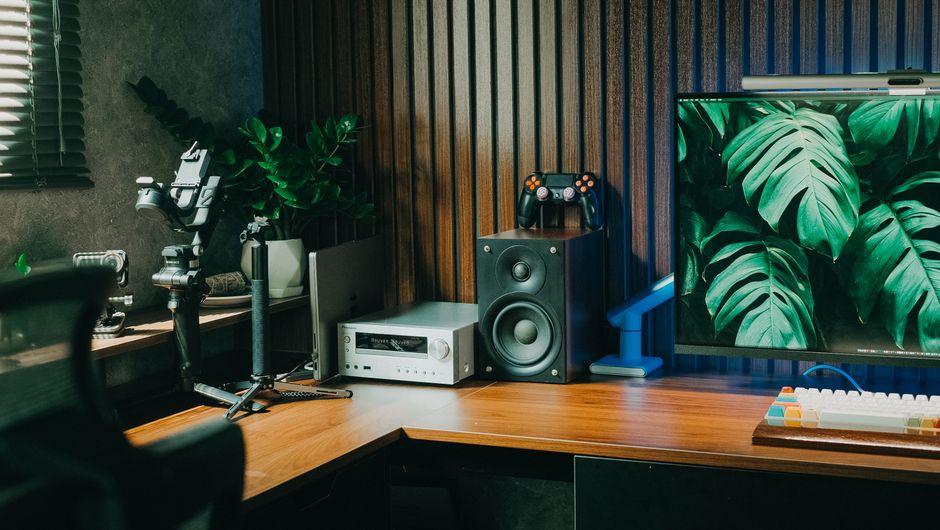
OSHA guidelines for ergonomic workstation setups emphasize clearance around the seating area to permit movement and maintain healthy posture. Here’s how to ensure your setup meets those standards:
Measure from the desk edge to the wall or nearest obstruction behind the chair—aim for at least 30 inches (about 75 cm) of clearance. This lets you slide your chair back and stand comfortably. Check that the chair width and armrests don’t hit any furniture or walls. If your chair is particularly wide, factor that in. Ensure enough space for reclining if your gaming chair allows it. Being able to adjust your position during long sessions reduces strain.Neglecting this area often leads to cramped setups where gamers sit too stiffly or can’t easily get out from behind the desk—quickly 27-inch monitor distance degrading comfort and performance.
Monitor Size vs. Real Width and Height: Understand Your Screen Dimensions
Gaming on a laptop often means you’re limited to the built-in monitor, but many gamers eventually add an external monitor or two. Choosing and positioning these monitors requires careful consideration:
- Keep in mind the real physical width, height, and depth of monitors, not just diagonal screen size in inches. For example, a “24-inch” monitor with thick bezels can take up more horizontal space than a modern thin-bezel model. Check your desk surface width and depth against your expected monitor size so it’s not awkwardly cramped or too far away. Standard advice suggests between 20 and 30 inches from your eyes to the screen for optimal viewing. Position monitors at eye level or slightly lower to prevent neck strain. Laptop screens alone may be too low, so consider a riser if you mainly use your laptop screen for gaming.
Many online casino gamers on sites like mrq.com also emphasize efficient setups given limited space—so you’re in good company prioritizing ergonomics in small gaming corners.
Lighting: The Role of a Desk Lamp for Gaming Setup
Proper lighting helps reduce eye strain and boosts immersion. Careful choice of a desk lamp for gaming setup can really transform your gaming corner:
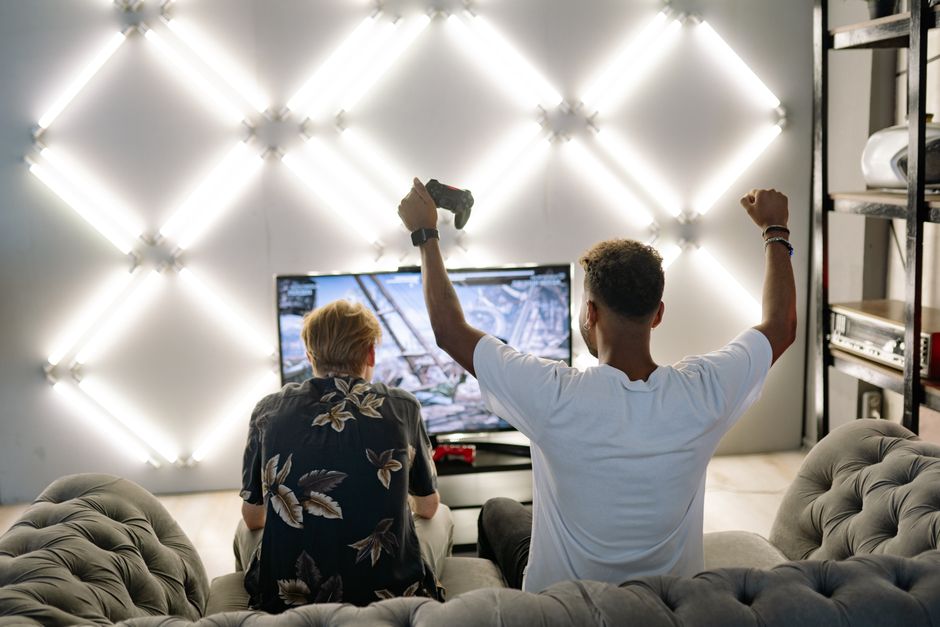
- Choose adjustable desk lamps with warm or neutral daylight bulbs to reduce screen glare and eye fatigue. Place the lamp so that it illuminates your workstation without shining directly into your eyes or reflecting off the screen. Consider lamps with dimming options or bias lighting to create atmosphere while protecting your eyesight during long sessions.
Don’t underestimate the importance of layering lighting alongside natural light and overhead lamps. Glare is a common culprit of discomfort, especially on laptop screens which are often glossy.
Summary Checklist for a Comfortable Laptop Gaming Setup
Key Aspect Recommended Approach Why It Matters Measure Floor Space Use a tape measure and simple floor plan sketch before buying or arranging Prevents awkward fits and blocked doors/outlets Desk Size Match desk to laptop plus peripherals, allow legroom, aim for durable surface Comfort and functionality during gaming sessions Chair Clearance Ensure 30+ inches behind for easy pull-back and standing Prevents strain and supports frequent position shifts Monitor Dimensions Check real physical size (width & height), position at eye level Avoids neck strain and desk overcrowding Lighting Use adjustable desk lamp with neutral lighting, minimize glare Protects eyes and enhances gaming atmosphereFinal Thoughts
Whether you’re exclusively gaming on your laptop or planning to expand your setup later, prioritizing accurate measurements, ergonomic standards inspired by OSHA, and thoughtful layout planning pays off. The extra time invested drawing a simple floor plan sketch and measuring with your tape measure before purchasing or relocating furniture prevents frustration and discomfort.
Remember, the secret to a small gaming corner setup that feels comfortable isn’t just the gear—but how well that gear fits the space and your body. Keep chair clearance and lighting in mind, and you’ll build a gaming station that supports marathon sessions without aches and pains.
Happy gaming!