Look, I’ve been behind this counter in Gauteng for 12 years. I’ve seen it all. I’ve watched guys walk in with a weekend DIY dream and walk out with a R15,000 piece of equipment that is going to gather dust in their garage for the next decade. If you want to avoid overspending on tools for occasional projects, the first thing you need to ask yourself isn't, "What brand is best?" It’s this: What does your bakkie handle?
Before we even talk about specs or motors, if you’re pulling up in a light hatch, don't talk to me about a heavy-duty compactor. If your suspension isn't rated for the weight, you’re just inviting a roadside disaster. Once we’ve sorted the logistics, we can talk about how to stop burning money on tools you’ll use once and forget.
The Hidden Cost of Owning vs. The Pay-for-Time Value of Hiring
People often get blinded by the price tag at the hardware store. They think, "Well, I can buy this breaker for R3,000, or I can hire one for R450 a day. Buying is cheaper, right?"

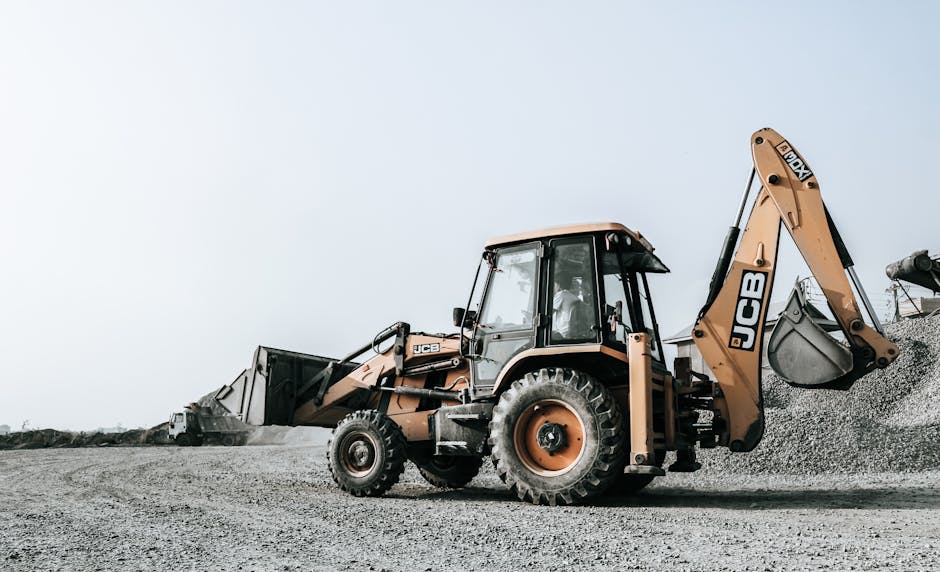
Wrong. Buying is only the entry fee. Let’s look at the true cost of ownership compared to the pay-for-time value of choosing to hire tools from a place like Wenbro Hire.
The Real Math
Expense Owning Hiring Initial Capital High (Full purchase price) Negligible (Daily rate) Maintenance/Service Your responsibility Included in the rate Storage Space Takes up garage/shed None Obsolescence Tool ages, seals perish Always current tech Insurance You cover theft/damage Included/Damage waiverWhen you hire, you’re paying for the utility, not the asset. You’re paying for the fact that when you walk out of the shop, the machine is serviced, the grease is fresh, and you aren’t going to be hunting for parts in five years when the trigger switch fails.
Phase-by-Phase: Choosing the Right Tool for the Job
I always tell my customers: don't look at the whole project at once. Break it down into stages. If you try to buy tools for every stage, you’re going to end up with a shed full of junk. You need to focus on what you need for the current phase.
Stage 1: Site Preparation and Demolition
This is where I see the most mistakes. People come in and ask for a "jackhammer" to break up a small concrete slab. Look, it’s a breaker. Please, for the sake of my blood pressure, call it a breaker. A 5kg breaker is for tiles and light masonry; a 16kg breaker is for slabs. If you buy the 5kg one because it’s on sale, you’ll spend three days on a job that should have taken three hours. The physical strain is immense. By hiring the right size machine, you save your back, you save your wrists, and you get the job done in an afternoon.
Stage 2: Foundation and Compaction
You’re laying a new patio or a driveway extension. You need to compact the sub-base. Some people try to use a heavy piece of timber or a hand tamper. That’s a waste of time. You need a compactor (a plate compactor). This is a machine you should never buy for an occasional project. They are heavy, the engines require specific maintenance, and they are awkward to store. Hire it for the day, get the base rock-solid, and send it back. You get a professional finish that won't crack in six months, and you aren't paying for its storage.
Why "Over-Specing" is a Trap
A major reason people overspend is that they think they need the "professional" version of everything. They think if they buy the SABS-approved, industrial-grade monster of a tool, it’ll last forever. Yes, tools meeting SABS standards are safer and more reliable, but those are designed for crews running them eight hours a day, five days a week.
If you’re a weekend warrior, you don't need a tool rated for 2,000 hours of run-time per year. You need a tool that is reliable for https://www.home-dzine.co.za/home-Improvement/why-construction-equipment-hire-is-the-smarter-choice-for-your-next-project.html the 10 hours you’re actually going to use it. Hiring gives you access to that high-end, SABS-standard equipment without the high-end, industrial price tag.
The "Walkthrough" Rule
This is the part that annoys me the most: when a customer tries to skip the operating walkthrough. You’ve hired the machine, you’ve paid the deposit, and you’re in a rush to get home. But if you haven't been shown how to check the oil or how to engage the clutch properly, you’re going to break it. And if you break it, you pay for the repair. Always take the 10 minutes for the walkthrough. It’s the difference between a smooth project and a costly nightmare.
How to Decide When to Hire vs. Buy
Use the "Rule of 10." If you are going to use the tool for fewer than 10 days over the next five years, don't buy it. You are better off putting that money into a high-quality hand tool (like a good shovel or a hammer) that you will actually use for the rest of your life.
Identify the frequency: Is this a recurring task? Assess the storage: Does it rust if left in the garage? (Most power tools do). Check the maintenance: Can you service it yourself? If not, leave it to the hire shop. Consider the weight: Can your bakkie handle the transport without burning your clutch?Look, at the end of the day, my job is to make sure you get your project done without going broke or blowing out your lower back. I’d much rather see you come back to the shop, return a clean machine, and have a beer on your new patio than see you crying over a broken breaker that cost you three months' salary. Keep it simple, plan your stages, and hire what you need only when you need it.
Image credits: Images used in this guide are sourced from Freepik.